
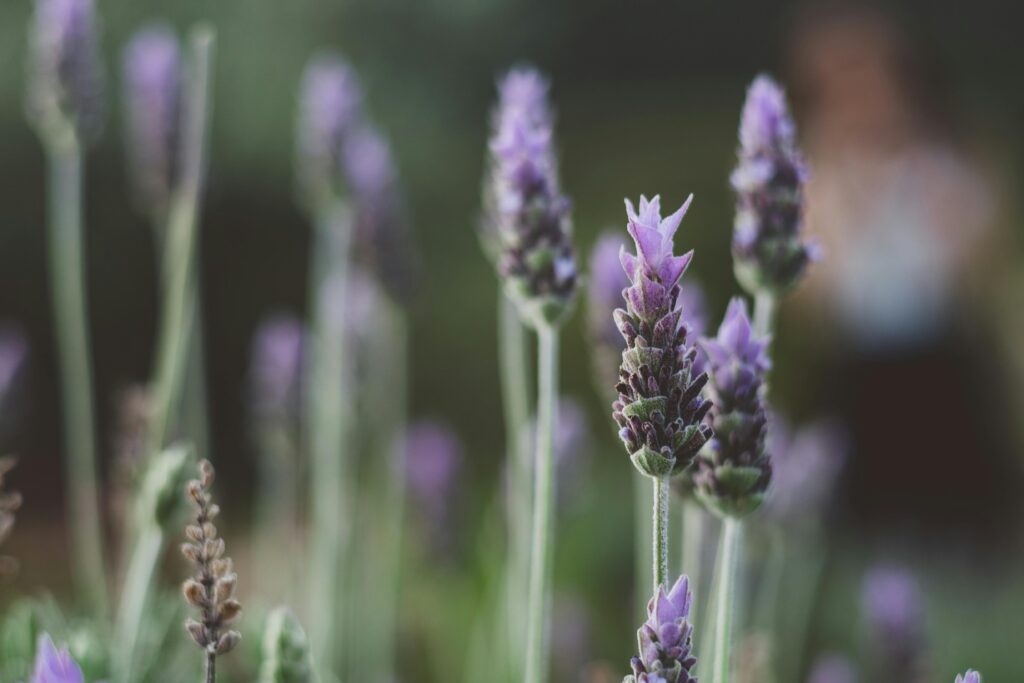
Lavender has been used for centuries as a natural remedy for stress, anxiety, and sleep problems. From ancient herbal medicine to modern aromatherapy, this fragrant purple plant is widely associated with calm and relaxation. But beyond tradition and anecdotal praise, what does scientific research actually say about lavender for relaxation?
In recent decades, researchers have taken a closer look at lavender’s effects on the nervous system, stress response, and sleep quality. The results suggest that lavender’s soothing reputation is more than just folklore.
Why Lavender Is Associated With Relaxation
Lavender (Lavandula angustifolia) contains several bioactive compounds, the most notable being linalool and linalyl acetate. These compounds are believed to influence the brain’s limbic system—the area responsible for emotions, mood, and stress regulation.
When inhaled, lavender’s aroma appears to interact with neurotransmitters that help calm the nervous system. This interaction may reduce sympathetic nervous system activity, which is responsible for the body’s “fight or flight” response. In simpler terms, lavender helps signal the body that it is safe to relax.
What Research Says About Lavender and Stress Reduction
Multiple studies have examined lavender’s role in reducing stress and anxiety. Research published in peer-reviewed journals has shown that inhaling lavender essential oil may lower heart rate, reduce blood pressure, and decrease cortisol levels during stressful situations.
In clinical settings, lavender aromatherapy has been used to help patients feel calmer before medical procedures, during hospital stays, and in high-stress environments. Some studies suggest that lavender may be particularly effective for mild to moderate anxiety, making it a gentle option for everyday stress management.
While lavender is not a replacement for professional mental health treatment, research indicates it can be a supportive tool for relaxation and emotional balance.
Lavender and Sleep Quality
One of the most well-studied benefits of lavender is its impact on sleep. Poor sleep is closely linked to stress, anxiety, and nervous system dysregulation, so it’s no surprise that researchers have explored lavender as a natural sleep aid.
Studies suggest that lavender aromatherapy may improve sleep quality by increasing time spent in deep, restorative sleep and reducing nighttime awakenings. Participants in sleep studies often report falling asleep faster and waking up feeling more refreshed after exposure to lavender scent.
Because lavender works through aroma rather than sedation, it tends to support sleep without causing grogginess or dependency—an important distinction for people seeking natural sleep solutions.
How Effective Is Lavender Really?
It’s important to set realistic expectations. Research shows that lavender’s effects are generally subtle but consistent. It works best as part of a broader relaxation or wellness routine rather than as a standalone cure.
Lavender may be most beneficial when combined with:
- Good sleep hygiene
- Mindfulness or meditation practices
- Regular stress-management habits
- Consistent daily routines
For people dealing with chronic stress, anxiety disorders, or insomnia, lavender can be a complementary approach—but not a substitute for medical care or therapy.
Best Ways to Use Lavender for Relaxation
Research suggests that inhalation is the most effective way to experience lavender’s calming effects. Common methods include:
- Diffusing lavender essential oil in a room
- Applying diluted lavender oil to pulse points
- Using lavender-scented pillows or sleep sprays
- Adding dried lavender to bathwater
Topical or aromatic use is generally considered safe for most people when used properly, though essential oils should always be diluted and used with care.
The Bottom Line
Scientific research supports what many cultures have believed for generations: lavender has real, measurable calming effects on the body and mind. While its benefits are gentle rather than dramatic, lavender can be a valuable tool for relaxation, stress reduction, and better sleep.
For those seeking natural wellness practices backed by research, lavender offers a simple, accessible way to invite more calm into daily life—one breath at a time.
Disclaimer: This post is for informational and educational purposes only. While lavender is generally safe, please consult with a healthcare professional before using essential oils if you are pregnant, nursing, or have underlying health conditions. Always use culinary-grade lavender for recipes intended for consumption.
Affiliate Disclosure: This post may contain affiliate links. If you click a link and make a purchase, I may receive a small commission at no extra cost to you. This helps support the blog and allows me to continue creating free content for you!