
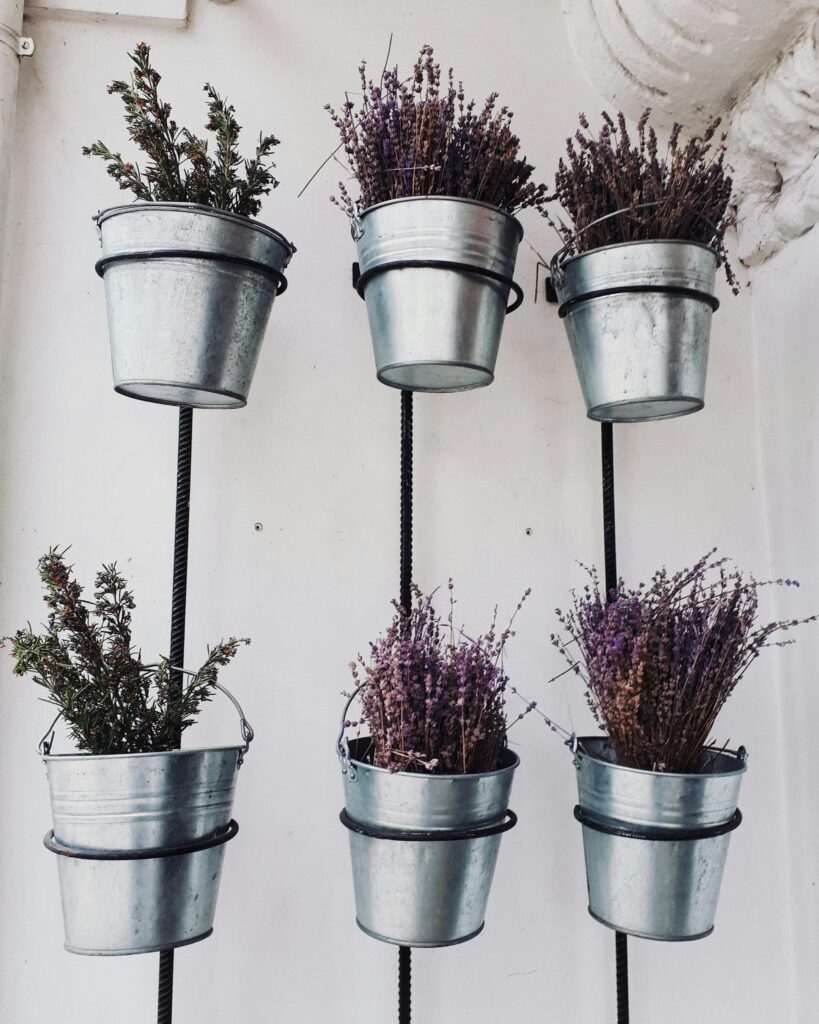
Lavender is one of the most popular herbs to grow at home thanks to its calming scent, beautiful purple flowers, and many practical uses. While lavender is usually grown outdoors, it is completely possible to grow lavender indoors if you give the plant the right conditions. In this guide, you’ll learn exactly how to grow lavender indoors, keep it alive year-round, and make sure it produces strong fragrance and healthy leaves.
Why Grow Lavender Indoors?
Growing lavender indoors has several benefits. First, you can enjoy the relaxing aroma all year long. Second, indoor plants are protected from harsh weather. Third, lavender can act as a natural air freshener and even help create a calm environment in your home.
Indoor lavender is perfect for apartments, small homes, or anyone who wants fresh herbs without needing a garden.
Best Types of Lavender for Indoor Growing
Not all lavender grows well indoors. Some varieties need large outdoor spaces. The best types for indoor growing are compact varieties that adapt well to pots.
Good indoor lavender varieties include:
- English lavender (Lavandula angustifolia)
- French lavender (Lavandula dentata)
- Spanish lavender (Lavandula stoechas)
- Dwarf lavender varieties
English lavender is usually the easiest for beginners because it tolerates indoor conditions better than most types.
Step 1: Choose the Right Pot
Lavender does not like wet roots, so the pot you choose is very important.
Tips for choosing a pot:
- Use a pot with drainage holes
- Choose clay or terracotta pots if possible
- Pick a pot slightly larger than the root ball
- Avoid plastic pots that hold too much moisture
Good drainage helps prevent root rot, which is the most common reason indoor lavender dies.
Step 2: Use the Best Soil for Lavender
Lavender needs light, well-draining soil. Regular potting soil alone is usually too heavy.
Best soil mix for indoor lavender:
- 2 parts potting soil
- 1 part sand or perlite
- 1 part small gravel (optional)
This type of soil allows water to drain quickly, which keeps the roots healthy.
Step 3: Give Lavender Enough Sunlight
Sunlight is the most important factor when growing lavender indoors.
Lavender needs:
- At least 6–8 hours of direct sunlight daily
- A south-facing window if possible
- Grow lights if natural light is not enough
If lavender does not get enough light, it will become weak, stop growing, and may die.
Step 4: Water Lavender the Right Way
Many people kill lavender by watering too much.
Follow these watering tips:
- Let the soil dry before watering again
- Water deeply but not often
- Never let the pot sit in water
- Reduce watering in winter
Lavender prefers dry conditions more than wet ones.
Step 5: Keep the Right Temperature Indoors
Lavender likes temperatures similar to the Mediterranean climate.
Ideal indoor temperature:
- Day: 65–75°F (18–24°C)
- Night: slightly cooler if possible
Avoid placing lavender near heaters, air conditioners, or cold drafts.
Step 6: Prune Lavender to Keep It Healthy
Pruning helps lavender stay compact and grow new leaves.
How to prune indoor lavender:
- Trim after flowering
- Remove dead or dry stems
- Do not cut the woody base
- Prune lightly several times per year
Regular pruning also helps the plant produce more fragrance.
Step 7: Use Fertilizer Carefully
Lavender does not need much fertilizer.
Tips:
- Use weak fertilizer once per month in spring and summer
- Do not fertilize in winter
- Too much fertilizer reduces scent
Lavender grows best in poor soil, not rich soil.
Common Problems When Growing Lavender Indoors
Yellow leaves
Usually caused by too much water.
No flowers
Often caused by not enough sunlight.
Drooping plant
Can be from overwatering or poor drainage.
Weak smell
Usually from low light or too much fertilizer.
Fixing these problems quickly will help your plant survive longer.
Can Lavender Live Indoors Year-Round?
Yes, lavender can live indoors all year if it gets enough light, good drainage, and proper watering. Many indoor gardeners keep lavender alive for several years with the right care.
Using grow lights during winter can make a big difference, especially in darker climates.
Final Thoughts
Growing lavender indoors is not difficult once you understand what the plant needs. Give it strong sunlight, dry soil, good drainage, and light watering, and your lavender can thrive inside your home.
With the right care, indoor lavender will reward you with beautiful flowers, a relaxing scent, and a healthy plant you can enjoy all year long.