
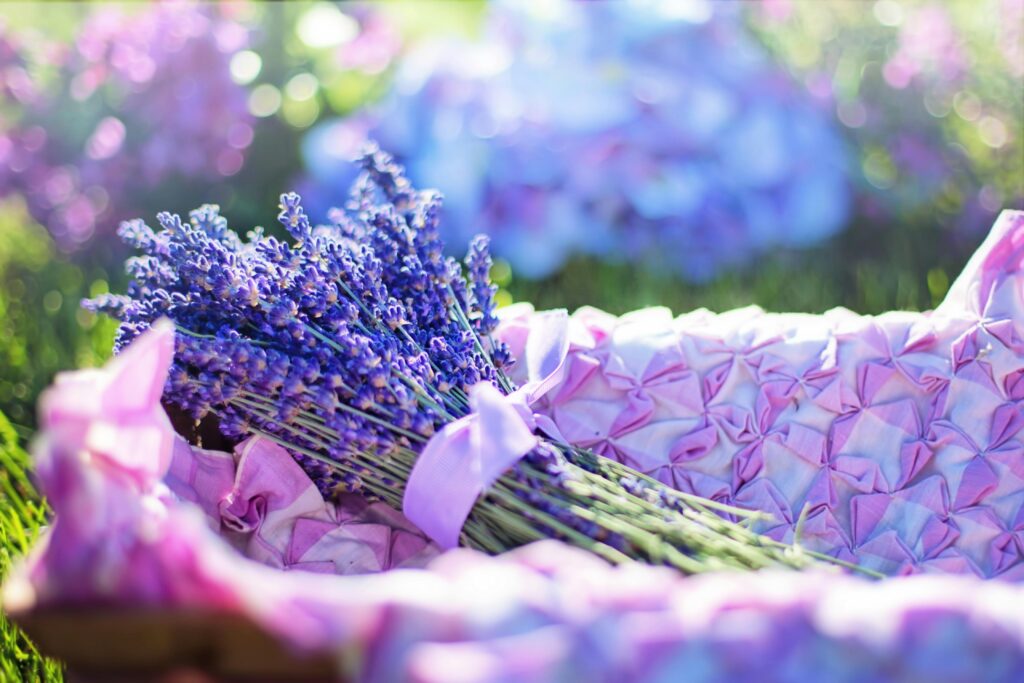
Harvesting lavender is one of the most rewarding moments in any garden. The soft purple blooms, the calming fragrance in the air, and the promise of dried bundles or homemade creations—it’s an experience that engages all your senses.
If you’re new to growing lavender, this beginner-friendly guide will walk you through exactly when and how to harvest lavender, with clear visual cues, step-by-step instructions, and expert tips on preserving that signature scent.
Why Harvesting Lavender at the Right Time Matters
Timing is everything when it comes to lavender. Harvest too early, and the fragrance won’t be fully developed. Harvest too late, and the oils begin to fade as the flowers dry on the plant.
The goal is simple:
Capture peak scent, color, and oil content.
When to Harvest Lavender (Visual & Sensory Cues)
Instead of relying on dates, look for these signs:
Visual Signs (What to Look For)
- Buds are mostly formed but not fully open
- The bottom flowers are just beginning to bloom
- Color is vibrant (deep purple, lavender, or blue depending on variety)
Avoid waiting until all flowers are open—this reduces fragrance quality and makes drying messier.
Scent Clue (Trust Your Nose)
Gently run your hand over the plant.
If you notice a strong, sweet, calming scent, it’s ready to harvest.
Best Time of Day
- Harvest in the early morning, after dew has dried
- This is when essential oils are most concentrated
Step-by-Step: How to Harvest Lavender
Follow these simple steps to harvest like a pro:
1. Choose the Right Tools
Use clean, sharp scissors or garden shears. This prevents damage and keeps the plant healthy.
2. Find the Right Stem
Look for long stems with tight buds and minimal open flowers.
3. Cut Above the Leaves
Cut the stem just above a set of leaves (about 2–3 inches above woody growth).
This encourages the plant to regrow and produce more blooms.
4. Gather in Small Bundles
Hold a handful of stems as you cut to keep them neat and manageable.
5. Avoid Woody Sections
Never cut into the hard, woody base—lavender doesn’t regrow well from old wood.
How Much Lavender Should You Harvest?
For healthy plants:
- Never remove more than one-third of the plant at a time
- Regular harvesting actually encourages more blooms
What Happens After You Cut? (The Aroma Moment)
Right after harvesting, you’ll notice the scent intensifies.
Freshly cut lavender releases a rich, herbaceous, slightly sweet fragrance—stronger than when it’s growing.
This is your cue that you’ve harvested at the perfect time.
How to Dry Lavender for Long-Lasting Use
Drying preserves both the scent and beauty of lavender.
Step-by-Step Drying Process:
- Bundle stems together (10–15 stems per bundle)
- Secure with string or rubber band
- Hang upside down in a dry, dark, well-ventilated space
- Wait 2–4 weeks until fully dried
Ideal Drying Conditions:
- Low humidity
- Good airflow
- No direct sunlight (prevents color fading)
How to Store Dried Lavender
Once dried:
- Remove buds from stems (or keep whole for bundles)
- Store in airtight containers
- Keep in a cool, dark place
Properly stored lavender can last up to a year or longer while retaining its scent.
Bonus Tips for Beginners
- Harvest multiple times per season (especially in warm climates)
- Use immediately or dry quickly to preserve oils
- Label your harvest date for freshness tracking
- Experiment with uses—teas, sachets, oils, and more
Common Mistakes to Avoid
- Cutting too late (flowers fully open)
- Harvesting when plants are wet (can cause mold when drying)
- Cutting into woody stems
- Drying in direct sunlight
Final Thoughts
Learning how to harvest lavender is as much about observation as it is technique. By paying attention to color, scent, and timing, you’ll consistently gather high-quality blooms that smell incredible and last for months.
Beginner tip: Your first harvest doesn’t have to be perfect. With each cut, you’ll get better at recognizing the exact moment lavender is at its peak.
Take your time, enjoy the process, and don’t forget to pause and appreciate that calming scent—it’s part of the reward.
Disclaimer: This post is for informational and educational purposes only. While lavender is generally safe, please consult with a healthcare professional before using essential oils if you are pregnant, nursing, or have underlying health conditions. Always use culinary-grade lavender for recipes intended for consumption.
Affiliate Disclosure: This post may contain affiliate links. If you click a link and make a purchase, I may receive a small commission at no extra cost to you. This helps support the blog and allows me to continue creating free content for you!