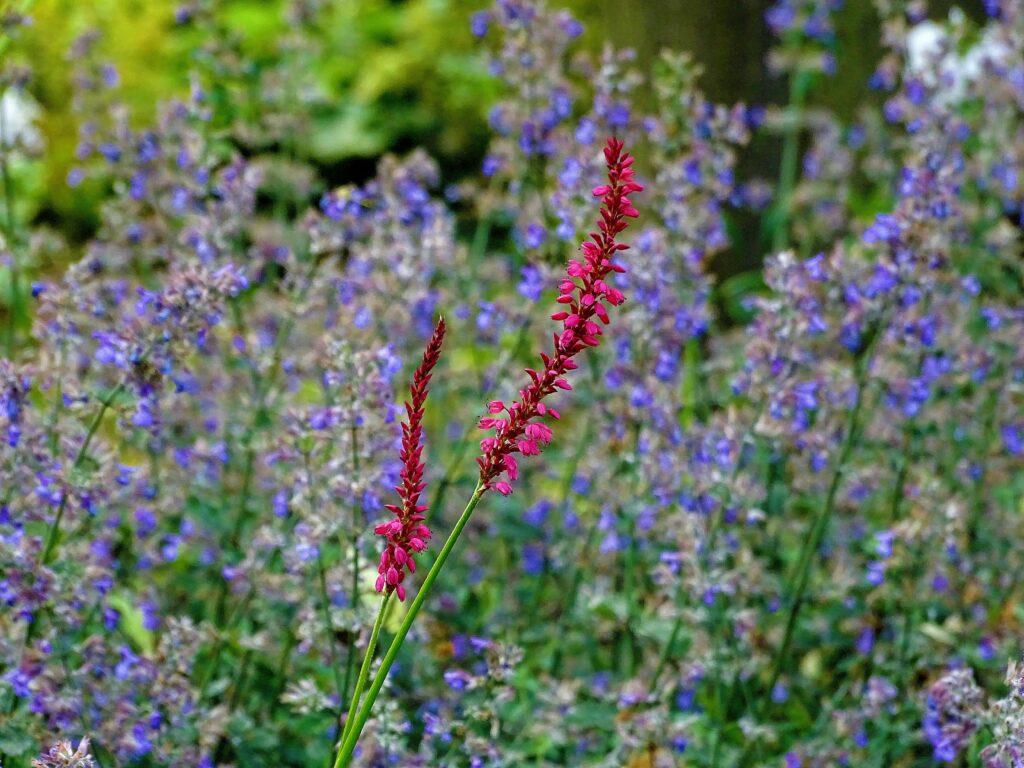
Lavender is one of the most beloved plants in the world—known for its calming scent, silvery foliage, and beautiful blooms. But not all lavender is the same. If you’ve ever felt overwhelmed by the different types, you’re not alone.
This guide breaks lavender down into its main species/types—English, French, Spanish, and Lavandin—then introduces popular cultivars within each category. By the end, you’ll know exactly which lavender suits your garden, climate, or lifestyle.
Understanding Lavender Types
Before choosing a specific plant, it’s important to understand the four main categories of lavender. Each has unique characteristics, including fragrance, climate tolerance, and appearance.
1. English Lavender (Lavandula angustifolia)
Best for: Cold climates, culinary use, essential oils
Fragrance: Sweet, classic lavender scent
Bloom time: Late spring to early summer
English lavender is the most well-known and widely used type. Despite its name, it’s native to the Mediterranean and is prized for its high-quality oils and edible flowers.
Popular Cultivars:
- Hidcote – Compact, deep purple flowers; great for borders and drying
- Munstead – Early blooming, soft lavender color; ideal for beginners
- Royal Velvet – Rich, velvety blooms; excellent for crafts and bouquets
Why choose English lavender?
If you want a hardy plant with a strong fragrance that works for cooking, teas, or aromatherapy, this is your best choice.
2. French Lavender (Lavandula dentata)
Best for: Warm climates, ornamental gardens
Fragrance: Light, slightly herbal
Bloom time: Nearly year-round in mild climates
French lavender is easily recognized by its serrated (toothed) leaves and softer scent. It thrives in heat and is often grown for its decorative appeal rather than oil production.
Popular Cultivars:
- Goodwin Creek Grey – Silvery foliage with pale purple flowers; very heat tolerant
- Provence (often grouped here in nurseries) – Tall and elegant; popular in landscaping
Why choose French lavender?
Perfect if you live in a warm climate and want a low-maintenance, continuously blooming ornamental plant.
3. Spanish Lavender (Lavandula stoechas)
Best for: Hot, dry climates and visual impact
Fragrance: Strong but less sweet
Bloom time: Spring through summer
Spanish lavender stands out with its unique “butterfly” or “rabbit ear” bracts on top of each flower head. It’s highly drought-tolerant and eye-catching.
Popular Cultivars:
- Anouk – Compact, vibrant purple blooms with prominent bracts
- Ballerina – White petals with purple accents; very decorative
- Otto Quast – Bright magenta-purple flowers; long blooming season
Why choose Spanish lavender?
If you want bold color and a striking garden feature, this is the most visually dramatic option.
4. Lavandin (Lavandula x intermedia)
Best for: Essential oils, large gardens, commercial use
Fragrance: Strong, slightly camphor-like
Bloom time: Mid to late summer
Lavandin is a hybrid between English and spike lavender. It produces larger plants, longer stems, and higher oil yields, making it popular for farming and products like sachets and perfumes.
Popular Cultivars:
- Grosso – One of the most widely grown for oil production
- Phenomenal – Highly resilient; tolerates heat and humidity better than most
- Provence – Long stems and soft scent; great for dried arrangements
Why choose Lavandin?
Ideal if you want high yields, strong fragrance, and a plant that fills space quickly.
How to Choose the Right Lavender
When selecting a lavender variety, consider:
- Climate:
- Cold winters → English lavender
- Hot, dry regions → Spanish or French
- Mixed climates → Lavandin hybrids
- Purpose:
- Cooking & oils → English
- Decoration → Spanish or French
- Large-scale planting → Lavandin
- Maintenance level:
- Low maintenance → French or Lavandin
- More care but higher quality → English
Final Thoughts
Choosing the right lavender starts with understanding the type, then narrowing down to a cultivar that fits your needs. Whether you’re planting a fragrant garden, creating homemade products, or simply adding beauty to your space, there’s a lavender variety for you.
Think of it this way:
Type = function and climate
Cultivar = style and personal preference
Once you know both, you’re set up for success.
Pro tip: Start with one or two varieties and observe how they perform in your environment before expanding your collection.
Disclaimer: This post is for informational and educational purposes only. While lavender is generally safe, please consult with a healthcare professional before using essential oils if you are pregnant, nursing, or have underlying health conditions. Always use culinary-grade lavender for recipes intended for consumption.
Affiliate Disclosure: This post may contain affiliate links. If you click a link and make a purchase, I may receive a small commission at no extra cost to you. This helps support the blog and allows me to continue creating free content for you!